Bed Bugs After a Hotel Stay? 10 Places They Hide Before You Notice Them

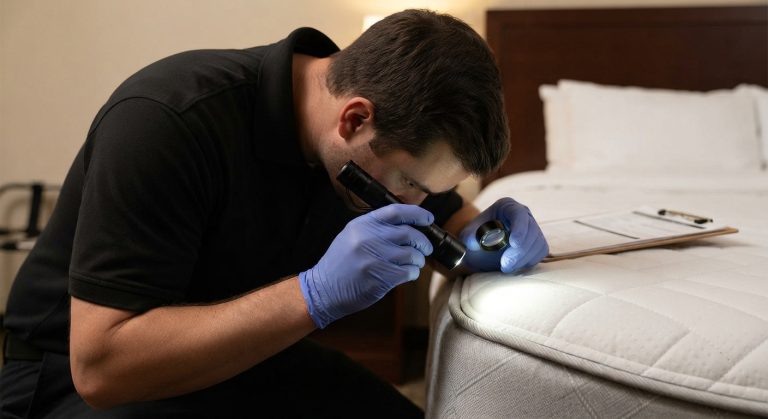
Did you stay in a hotel and start worrying about bed bugs after returning home? Bed bugs can travel by hiding in luggage, clothing and personal belongings. You may not notice them immediately because these pests are small and tend to remain hidden during the day.
Knowing where bed bugs hide after travel can help you inspect your belongings and home before a small problem becomes a larger infestation.
Can bed bugs really come home with you from a hotel?
Yes. Bed bugs can hitchhike in luggage, clothing, backpacks and other belongings. They do not need to live on your body to travel from one location to another.
A hotel room with bed bug activity can therefore become a potential source of an infestation if insects or eggs get into luggage.
If you find signs of bed bugs after travelling, professional bed bug pest control can help identify the extent of the problem and determine an appropriate treatment plan.
Where can bed bugs hide in your luggage?
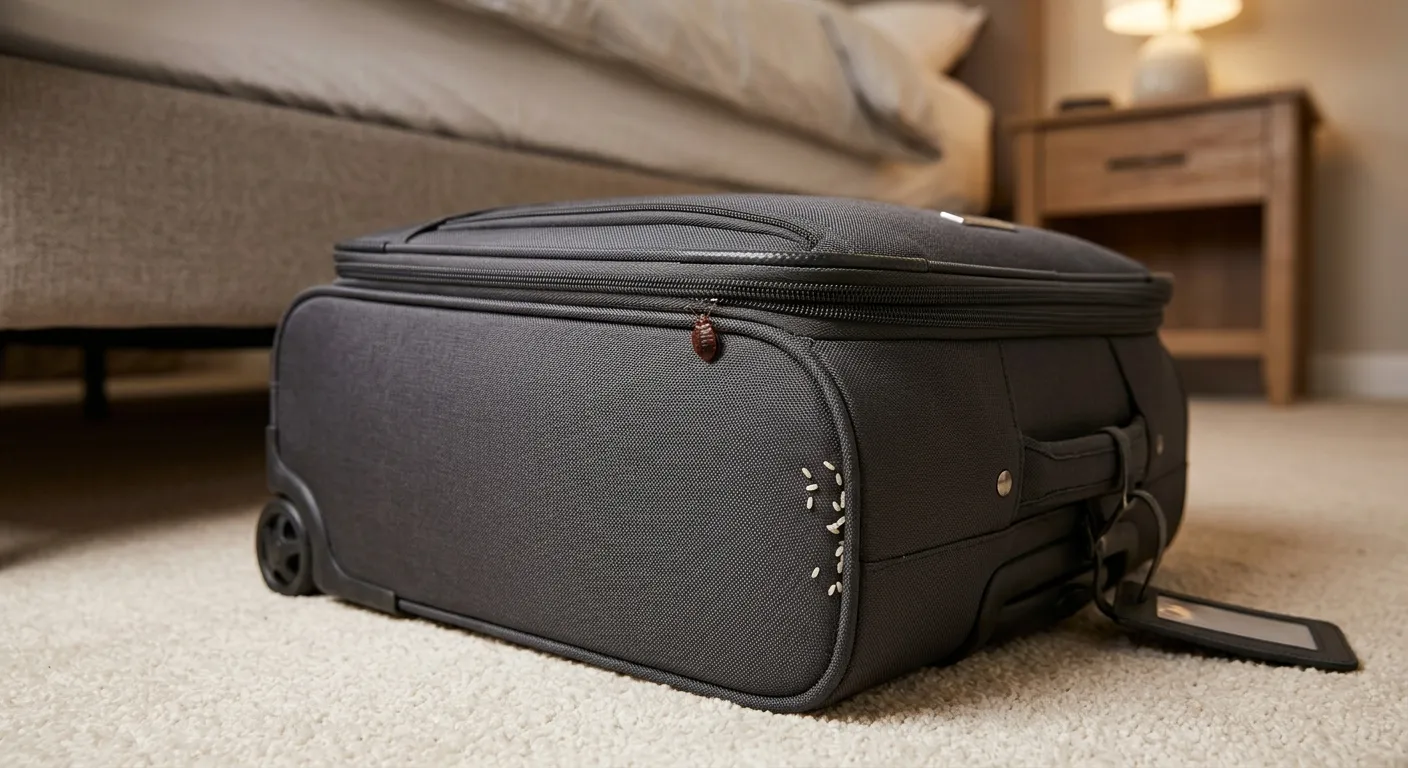
Bed bugs can hide in seams, folds, pockets and zippers. Suitcases with fabric interiors can provide several small, dark areas where insects may remain unnoticed.
Pay particular attention to the edges and underside of luggage. Backpacks, laptop bags and travel pouches should also be inspected carefully.
Can bed bugs hide in clothes after a hotel stay?
Yes. Clothing stored inside luggage can potentially carry bed bugs or their eggs. This is especially important for clothes that were left undisturbed inside a suitcase.
Inspect clothing before putting it away in wardrobes or drawers. Washing and drying suitable garments according to their care instructions can also be part of a sensible post-travel precaution.
Could bed bugs be hiding in shoes and bags?
Shoes, handbags and backpacks contain seams, folds and enclosed areas that can provide hiding places.
Check around stitching, soles, pockets and compartments. Do not forget smaller travel accessories such as toiletry bags and fabric pouches.
Can bed bugs move from luggage to your bed?
They can. If infested luggage is placed on or near a bed, sofa or upholstered furniture, bed bugs may eventually move into nearby hiding places.
This is one reason travellers should avoid immediately placing suitcases on beds after returning home.
If you want to learn how these pests move between locations, read our guide on how bed bugs spread in hotels.
Where else should you look for bed bugs at home?
After travelling, inspect areas where luggage was placed. These can include:
- Bed frames
- Mattress seams
- Sofas
- Upholstered chairs
- Carpets near luggage
- Bedroom furniture
- Suitcase storage areas
Look for live insects, shed skins, tiny dark spots or other signs of bed bug activity.
Our guide on how to check for bed bugs in your home covers additional inspection points.
What should you do if you find bed bugs after travelling?
Avoid moving potentially infested belongings between rooms. Isolating luggage and inspecting nearby areas can help prevent unnecessary spread.
Do not rely only on household insect sprays if you continue finding bed bugs. Hidden insects and eggs can make an infestation difficult to manage without a systematic treatment approach.
For broader household pest issues, residential pest control can provide professional treatment options for homes.
When should you call a professional bed bug treatment service?
Consider professional help if you repeatedly find live bed bugs, discover signs in multiple areas, or continue experiencing bed bug activity after attempting basic control measures.
A professional inspection can help determine where bed bugs are hiding and whether treatment needs to cover bedrooms, furniture and other affected areas. You can also contact Orion Pest to discuss your pest control requirements.