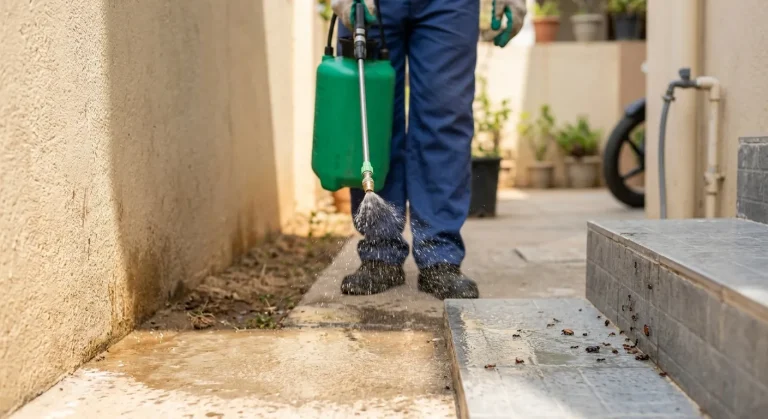
The Kitchen Pest Map: Where Cockroaches, Ants and Flies Actually Enter Your Home

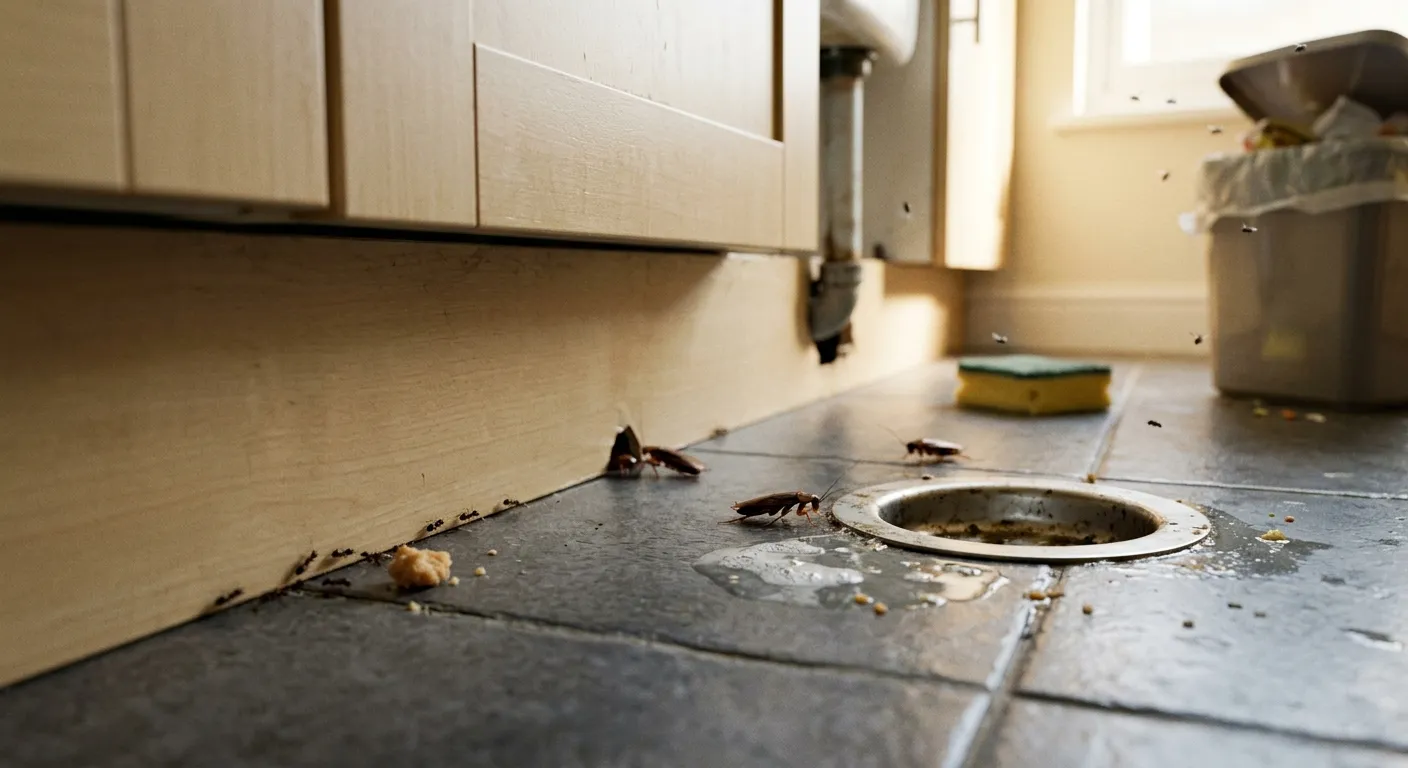
Why do cockroaches appear near the sink, ants suddenly show up around the kitchen counter, or flies keep returning even after you clean the kitchen?
The problem may not be your cleaning routine. Kitchens contain food, moisture, warmth and multiple entry points that can attract different household pests.
Understanding where pests enter and hide can help you identify the source before an infestation becomes difficult to control.
Why is the kitchen such an attractive place for pests?
A kitchen provides many of the conditions pests need to survive. Food crumbs, grease, water, garbage and warm appliances can create an ideal environment for insects.
Even small gaps around pipes, doors, windows and cabinets can provide access.
If cockroach activity continues despite regular cleaning, professional cockroach pest control can help identify potential harbourage areas and treatment requirements.
Can cockroaches enter through kitchen drains and plumbing?
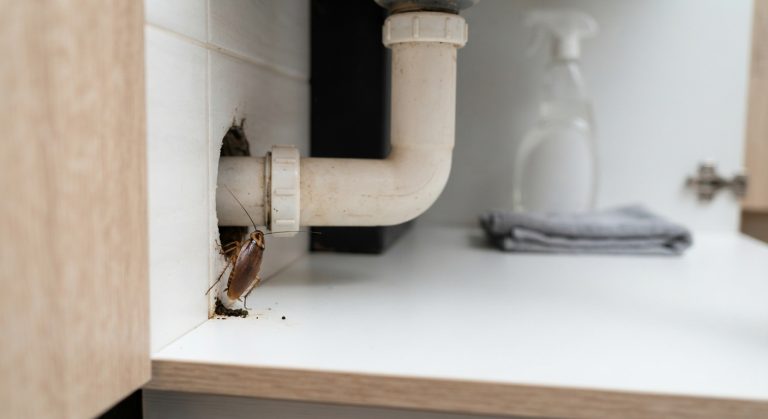
Yes. Drains, pipe openings and plumbing gaps can provide potential pathways for cockroaches.
Check underneath sinks, around drainage pipes and near floor drains. Leaking pipes can also create moisture that makes these areas more attractive to pests.
Keep sink areas dry where possible and repair plumbing leaks promptly.
Can ants enter through cracks around kitchen windows and walls?
Ants are capable of entering through surprisingly small gaps. Cracks around windows, walls, countertops and electrical or plumbing openings can provide access to food sources inside the kitchen.
Once ants discover a reliable food source, they may establish a regular trail between the entry point and the food.
Sealing visible cracks and keeping food containers tightly closed can help reduce activity. Persistent problems may require targeted ant control.
Why do flies keep coming back to the kitchen?
Flies are often attracted by food waste, uncovered garbage, decomposing organic material and moisture. Even when the kitchen looks clean, a hidden waste source or poorly maintained drain can continue attracting them.
Keep rubbish bins covered, remove waste regularly and clean areas where food residue can accumulate.
For persistent fly activity, professional fly control can help identify and address potential sources.
Can kitchen cabinets become hiding places for cockroaches?
Kitchen cabinets provide dark and undisturbed spaces where cockroaches can hide. Gaps behind shelves, hinges, corners and areas underneath cabinets can be difficult to inspect during routine cleaning.
Do not store unnecessary cardboard boxes or food packaging for long periods. Keep dry food in sealed containers and regularly inspect dark storage spaces.
Could gaps around appliances be attracting pests?
Refrigerators, ovens, dishwashers and other kitchen appliances can create warm, sheltered spaces. Food particles may also collect underneath or behind them.
Clean around appliances periodically and inspect the areas where electrical cables and pipes enter walls.
If pests are becoming a recurring household problem, residential pest control can provide a broader approach to pest prevention and treatment.
How can you reduce pest entry points in your kitchen?
Start with a simple kitchen inspection:
- Seal cracks around walls and cabinets.
- Repair leaking pipes and taps.
- Keep drains clean.
- Store food in airtight containers.
- Empty rubbish bins regularly.
- Clean food spills immediately.
- Inspect gaps around pipes and appliances.
- Reduce unnecessary cardboard and clutter.
If pests continue appearing after these measures, the source may be hidden behind walls, cabinets, plumbing areas or other inaccessible locations. A professional inspection can help identify the underlying problem and determine the appropriate treatment.