Why Do Rats Enter Homes During Monsoon and the 7 Entry Points You’re Missing?

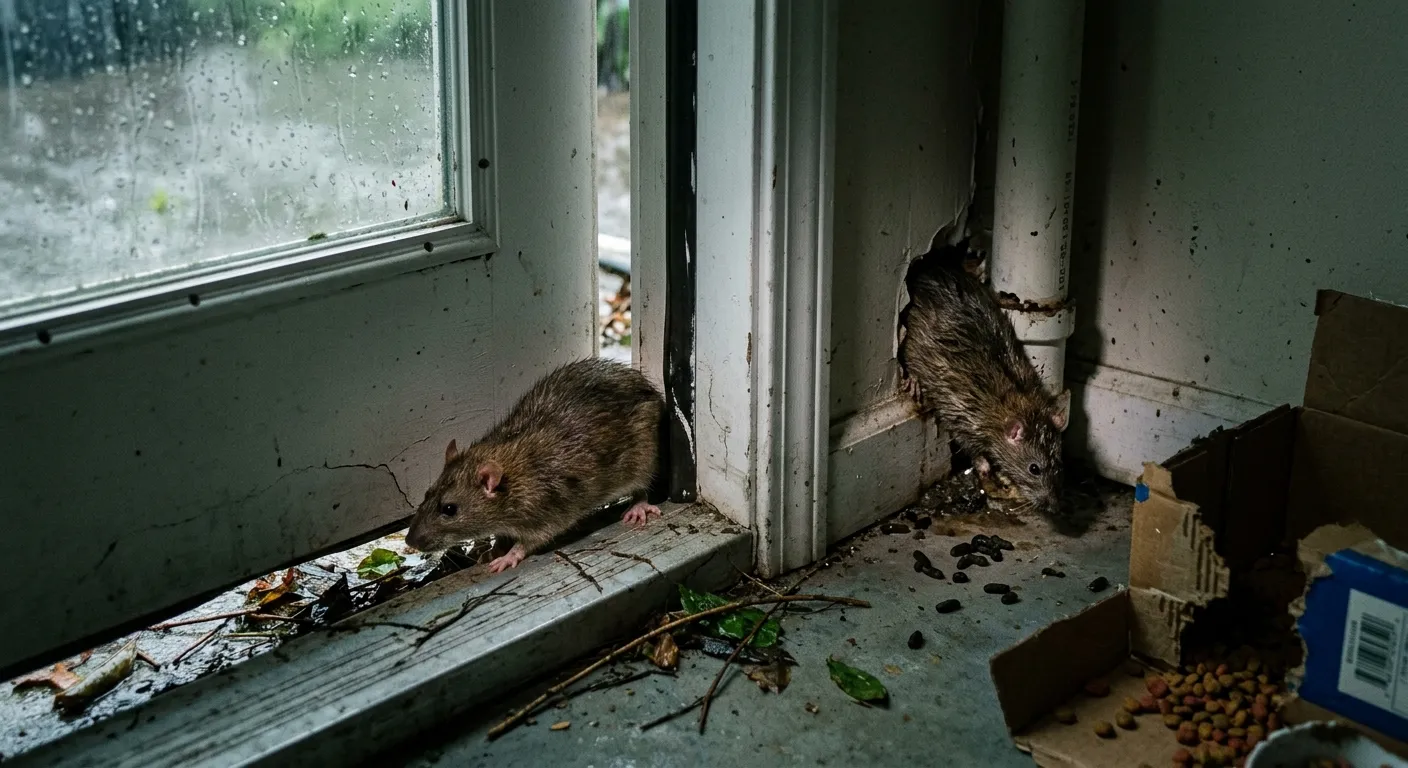
Have you started noticing rats, droppings or scratching sounds around your home during the monsoon? Heavy rainfall can change where rodents find food, water and shelter. As outdoor conditions become less suitable, rats may look for dry and protected spaces inside buildings.
Finding a rat is only part of the problem. Identifying how it entered your property can help prevent repeated infestations.
Why do rats enter homes during the monsoon?
Rain can flood drains, disturb outdoor nesting areas and reduce access to some food sources. Homes and buildings can then become attractive because they provide shelter, warmth, food and water.
Rats may enter through surprisingly small openings. Once inside, they can move through wall cavities, storage areas, kitchens and utility spaces.
If you notice recurring rodent activity, professional rodent control can help identify potential entry points and develop an appropriate treatment plan.
Can rats enter through drains and plumbing pipes?
Yes. Drainage systems and plumbing openings can provide potential pathways into buildings. Broken drain covers, damaged pipes and gaps around plumbing connections can make access easier.
Inspect floor drains, utility areas and openings beneath sinks. Keep drainage covers secure and repair damaged plumbing where possible.
Can rats enter through gaps under doors?
A small gap beneath an exterior door can provide access to rodents. Garage doors, back doors and utility entrances can be particularly vulnerable.
Check whether daylight is visible beneath doors and inspect damaged weather stripping or door seals. Closing these gaps can reduce potential entry points.
Can rats enter through wall and utility openings?
Electrical cables, pipes, air-conditioning lines and other utilities often pass through walls. Small gaps around these installations can become entry routes for rodents.
Inspect utility rooms, kitchens and areas where pipes enter walls. Seal suitable openings with durable materials rather than relying on temporary fixes.
Can rats enter through roofs and ceilings?
In some buildings, rats can gain access through roof gaps, damaged vents, pipes or openings around ceilings. Once inside the roof or false-ceiling area, they may move through the building looking for food.
Scratching or movement sounds above ceilings can be a reason to inspect these areas.
For additional information about recognising an infestation, see our guide to common signs of rat infestation.
Can food and garbage attract rats inside?
Yes. Accessible food waste, uncovered bins, pet food and improperly stored groceries can provide rodents with easy food sources.
Keep rubbish containers closed and remove waste regularly. Store dry food in sealed containers and clean food spills promptly.
Reducing available food does not replace professional treatment when an infestation is established, but it can make the property less attractive to rodents.
What should you do if rats keep returning?
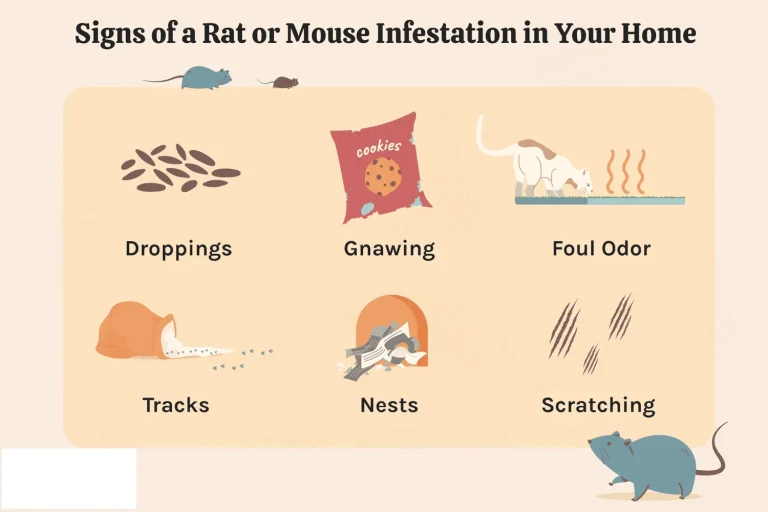
Start by checking the property’s exterior and interior for gaps, drainage problems, food sources and nesting areas. Look for droppings, gnaw marks, damaged packaging and unusual noises.
Our guide on ways to get rid of rats provides additional information about common rodent control measures.
For ongoing problems, professional assessment may be necessary because rats can remain hidden in areas that are difficult to access.
How can you prevent monsoon rodent problems?
Before and during the rainy season, inspect doors, drains, utility openings, roofs and storage areas. Remove unnecessary clutter and keep food and waste securely contained.
If rodent activity continues despite preventive measures, residential pest control can help address broader household pest concerns and identify areas that may require professional attention.