First Rain, Then Termites: Why Flying Termites Suddenly Appear in Your Home

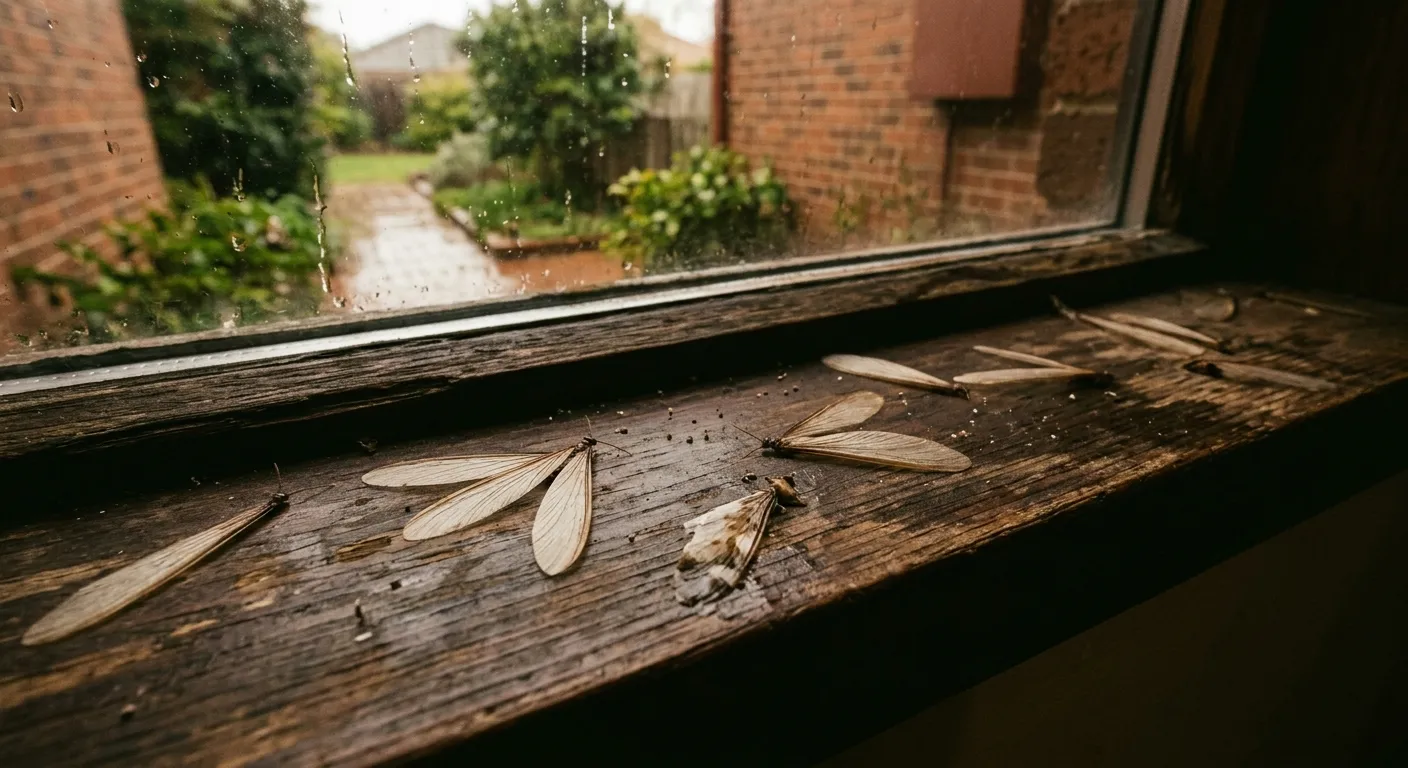
Have you suddenly noticed flying termites around windows, lights or doors after the first few rains? You may also find piles of discarded wings near windowsills or on the floor. This can be an early warning sign of termite activity around your property.
Flying termites, also called termite swarmers or alates, are reproductive termites. Their appearance does not necessarily mean that the insects have suddenly appeared overnight. It can indicate that a mature termite colony is nearby.
Why do flying termites appear after rain?
Warm and humid conditions can trigger termite swarming activity. After rainfall, changes in soil moisture and humidity can create favourable conditions for termites to leave established colonies and search for locations where new colonies can develop.
This is why homeowners may notice flying termites around lights, windows and other illuminated areas after rain.
If you notice repeated termite activity, it is worth investigating the source rather than simply removing the visible insects. A professional termite pest control service can help assess potential termite activity and determine an appropriate treatment approach.
How can you tell flying termites from flying ants?
Flying ants and termites can look similar, particularly when they are seen briefly. However, there are some noticeable differences.
Termites generally have straight antennae, a broad waist and two pairs of wings that are similar in length. Flying ants usually have bent antennae, a narrow waist and forewings that are longer than their hind wings.
If you are unsure what you have found, keeping a few specimens or clear photographs can help with identification.
What does it mean if you find discarded termite wings?
Finding discarded wings indoors can be significant. After swarming, termites may shed their wings once they have found a suitable location.
Check areas around windows, doors, furniture and other places where wings have accumulated. Also inspect wooden structures for other potential signs of termite activity.
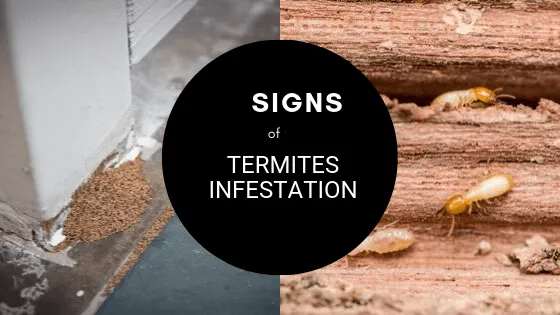
For more information about warning signs, see our guide to the signs of termite infestation.
Can flying termites damage your house?
The flying termites themselves are not usually responsible for most of the structural damage associated with an established colony. The concern is that their presence can indicate a nearby colony or the beginning of a new infestation.
Subterranean termites, drywood termites and other species can affect buildings in different ways. Depending on the species and location, termites may attack wood, structural components and other cellulose-based materials.
Can termites enter through walls and plumbing openings?
Yes. Small gaps around pipes, cracks, construction joints and other openings can provide pathways for pests to move through a building.
If you have already noticed termite activity inside walls, furniture or wooden structures, identifying the source is important. Our guide on how to remove termites from walls explains some of the common areas where termite activity can become noticeable.
How can you prevent termite problems before they become serious?
Start by reducing moisture around the property and repairing leaking pipes or taps. Keep wooden materials away from damp soil where possible and inspect areas with poor ventilation.
During construction or renovation, preventive termite treatment can also be considered. Our guide to pre-construction anti-termite treatment explains why preventive protection can be important before a building is completed.
If flying termites appear repeatedly after rainfall, do not rely only on sprays or removing the insects you can see. Inspect the surrounding property for signs of an established colony and consider professional termite assessment when activity continues.