How to Naturally Deter Pigeons: 10 Safe & Effective Home Remedies

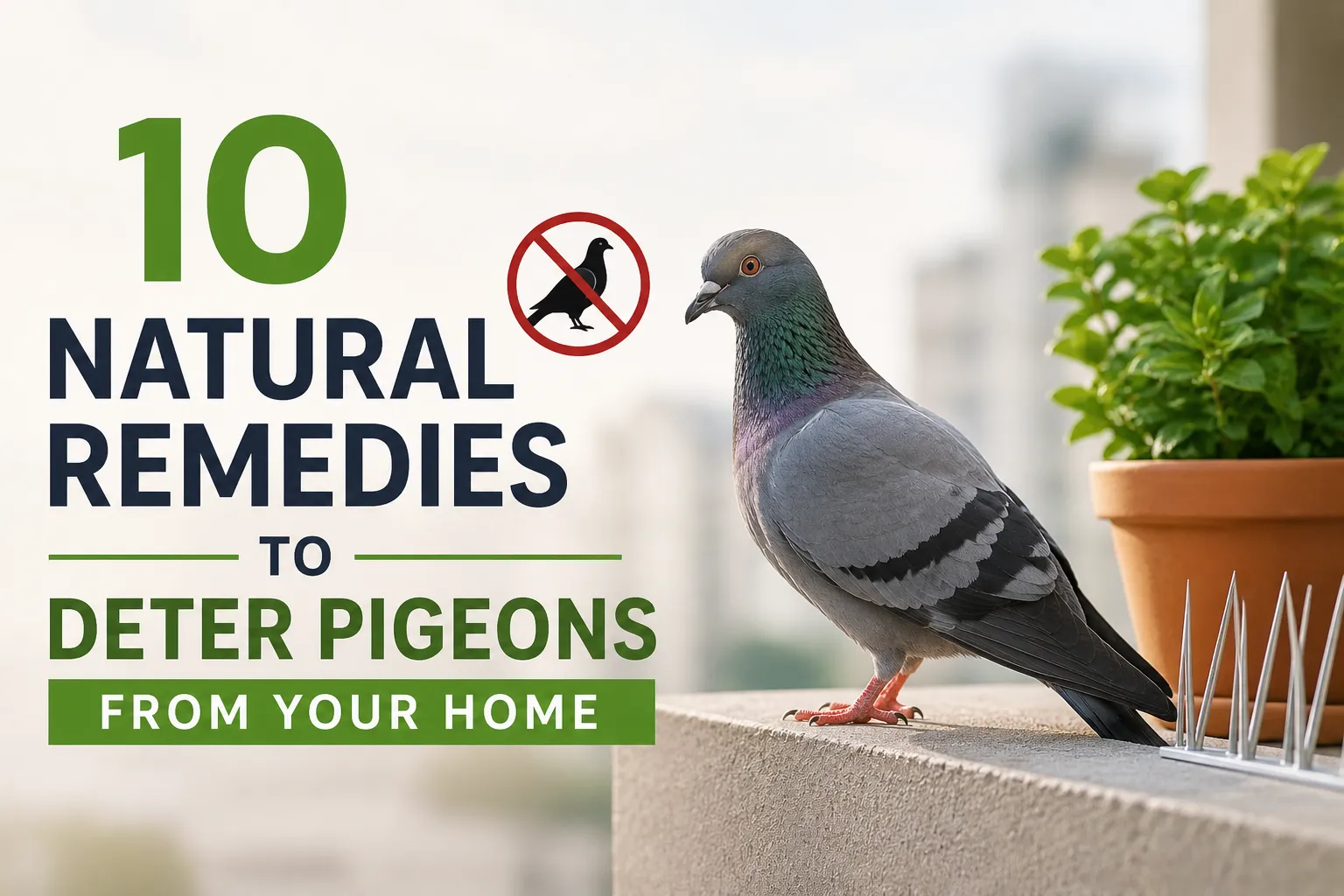
Pigeons may seem harmless at first, but when they begin nesting on balconies, rooftops, window ledges, and air conditioning units, they can quickly become a nuisance. Their droppings can stain buildings, spread bacteria, attract insects, and even damage property over time.
While many homeowners look for immediate solutions, there are several natural methods that can help discourage pigeons from settling around your property. These remedies are affordable, safe, and easy to implement without harming the birds.
If you’re struggling with recurring pigeon visits, here are some practical ways to naturally deter them from your home.
Why Do Pigeons Keep Returning?
Before tackling the problem, it’s important to understand why pigeons choose certain locations. Understanding these factors can also help homeowners determine whether simple deterrents will work or if professional bird control solutions may be needed.
Pigeons are attracted to:
- Easily accessible food sources
- Standing water
- Safe nesting spots
- Sheltered balconies and rooftops
- Quiet ledges and window sills
Removing these attractions is often the first step toward long-term pigeon control and can significantly reduce the need for extensive pigeon nesting control treatments in the future.
1. Install Reflective Objects
Pigeons dislike flashing lights and sudden reflections.
You can hang:
- Old CDs
- Reflective tape
- Aluminum foil strips
- Metallic wind spinners
When sunlight hits these objects, the reflections create an uncomfortable environment that encourages pigeons to move elsewhere.
2. Use Bird Repellent Spices
Certain strong-smelling spices can help discourage pigeons from frequenting specific areas.
Common options include:
- Chili powder
- Black pepper
- Cinnamon
Lightly sprinkle these around areas where pigeons commonly land. Rain and wind can reduce effectiveness, so regular reapplication is necessary.
3. Remove Food Sources
One of the biggest reasons pigeons gather around homes is the availability of food.
To reduce attraction:
- Store pet food indoors.
- Secure garbage bins.
- Clean outdoor dining areas.
- Avoid feeding birds intentionally.
Even small amounts of food can encourage pigeons to return repeatedly.
4. Keep Water Sources Covered
Pigeons need water for survival and are often attracted to properties with accessible water sources.
Inspect your property for:
- Open containers
- Bird baths
- Leaking pipes
- Water accumulation on rooftops
Eliminating standing water can significantly reduce pigeon activity.
5. Install Bird Spikes
Bird spikes are a humane solution designed to prevent pigeons from landing on ledges, railings, and signs.
These devices don’t injure birds but make landing uncomfortable.
Bird spikes are especially useful for:
- Balconies
- Window ledges
- Roof edges
- Air conditioner units
They provide a long-term deterrent with minimal maintenance.
6. Use Decoy Predators
Pigeons naturally avoid predators.
Popular decoys include:
- Owl statues
- Hawk models
- Falcon silhouettes
For best results, reposition the decoys regularly. If left in the same spot for weeks, pigeons may realize they pose no threat.
7. Install Bird Netting
Bird netting is one of the most effective ways to prevent pigeons from accessing balconies and other enclosed spaces.
Benefits include:
- Humane protection
- Long-lasting results
- Minimal maintenance
Properly installed netting creates a physical barrier that prevents nesting and roosting.
8. Trim Nearby Trees
Trees close to buildings often provide convenient resting spots for pigeons.
Regular trimming can:
- Reduce shelter opportunities
- Limit nesting areas
- Make your property less attractive
Maintaining landscaping is an often-overlooked but highly effective preventive measure.
9. Maintain a Clean Balcony
Balconies are among the most common nesting locations for urban pigeons.
To discourage them:
- Remove nesting materials immediately.
- Clean droppings regularly.
- Avoid storing clutter.
- Keep surfaces dry and tidy.
A clean space is far less appealing to pigeons looking for a permanent home.
10. Use Motion-Activated Devices
Modern motion-activated deterrents can help keep pigeons away without causing harm.
Examples include:
- Motion-triggered water sprayers
- Ultrasonic bird deterrents
- Motion-sensitive lights
These devices create unexpected disturbances that make pigeons uncomfortable and encourage them to relocate.
Common Mistakes Homeowners Make
Many people unknowingly make pigeon problems worse by:
- Feeding birds regularly
- Ignoring early nesting activity
- Leaving food outdoors
- Allowing water to accumulate
- Delaying cleanup of droppings
Addressing these issues early can prevent a small problem from becoming a large infestation.
When Natural Remedies Aren’t Enough?
While home remedies work well for occasional pigeon visits, larger infestations may require professional intervention. Pigeons often return to familiar nesting sites, making long-term prevention difficult without a comprehensive strategy.
Professional pest control services can assess the property, identify entry points, and recommend customized pest control solutions that help prevent recurring bird problems.
For apartment complexes, commercial buildings, and larger homes, specialized residential pest control services may provide more effective and lasting protection.
Final Thoughts
Pigeons can create significant hygiene and maintenance issues if left unchecked. Fortunately, natural deterrents such as reflective objects, bird netting, predator decoys, and proper sanitation can significantly reduce pigeon activity around your property.
The key is consistency. By removing food, water, and nesting opportunities while implementing deterrents, homeowners can create an environment that pigeons are far less likely to choose.
Early action not only protects your property but also helps maintain a cleaner, healthier living environment for everyone.