
FSSAI Pest Control Guidelines: What Every Restaurant Owner Needs to Know?

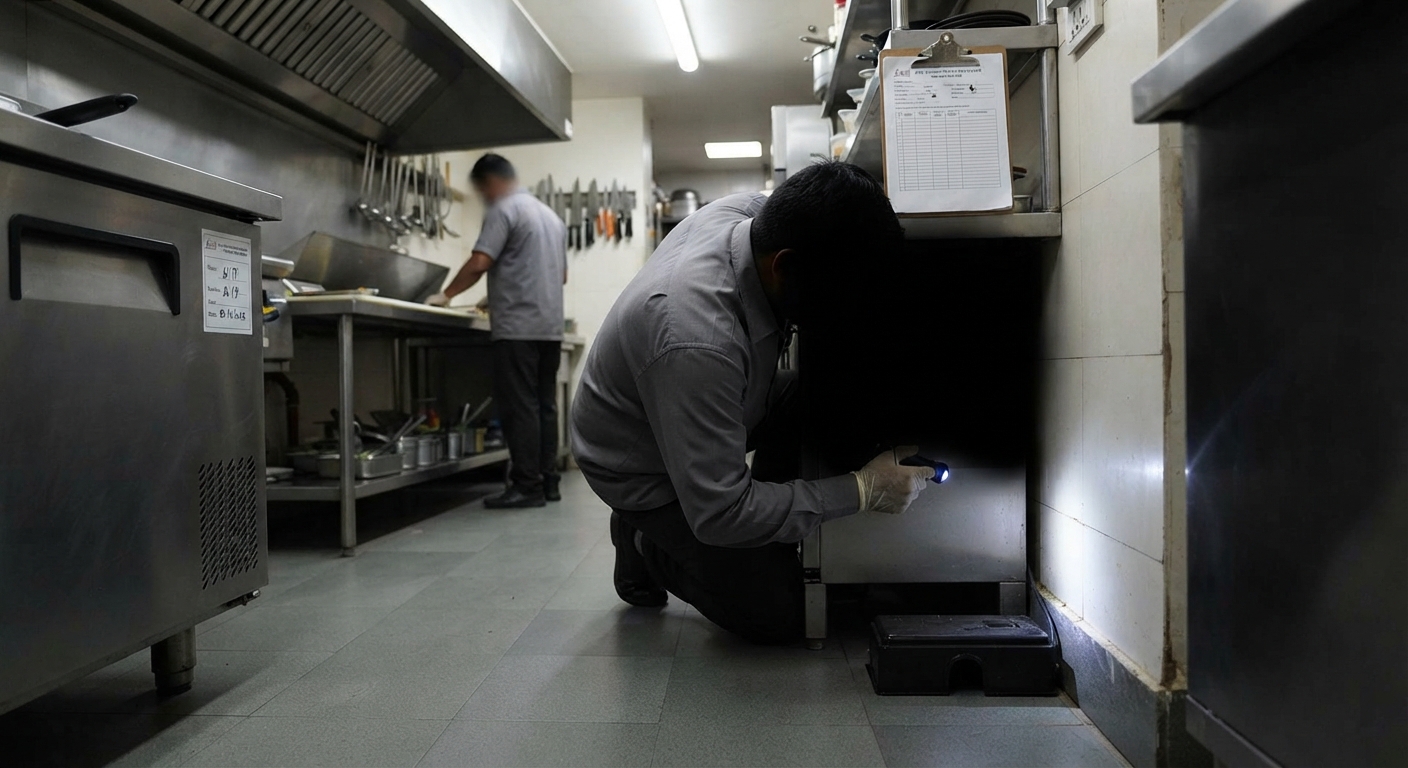
Pest control isn’t just a hygiene preference for restaurants in India, it’s a compliance requirement. Understanding what FSSAI actually expects can be the difference between passing an audit smoothly and facing a shutdown notice.
What Does FSSAI Require When It Comes to Pest Control?
FSSAI guidelines require food businesses to maintain premises free from pest activity, with documented pest control measures, proper waste management, and sealed storage areas. Inspectors specifically look for signs of rodent droppings, cockroach activity, and improperly stored food.
Why Do Restaurants Fail Pest-Related Inspections Even When They Look Clean?
Visible cleanliness doesn’t guarantee compliance. Inspectors check less obvious areas — behind equipment, inside storage rooms, near drainage points — where pest activity often hides even in restaurants that look spotless on the dining floor.
What Documentation Do Restaurants Need for Pest Control Compliance?
FSSAI audits often ask for pest control service records, treatment schedules, and proof of professional intervention rather than in-house efforts alone. This is one reason restaurants increasingly rely on scheduled commercial pest control contracts instead of occasional DIY spraying.
Which Pests Are Inspectors Most Concerned About in Food Businesses?
Cockroaches and rodents are flagged most frequently because they directly contaminate food and equipment. A documented cockroach pest control plan, paired with ongoing rodent control, covers the two biggest risk areas inspectors focus on during a walkthrough.
How Can Restaurants Prepare for a Surprise FSSAI Inspection?
Keep pest control records up to date, ensure storage areas are sealed and elevated off the floor, and schedule treatments proactively rather than reactively. Waiting until a problem is visible usually means it’s already been active for weeks, and inspectors are trained to look past the dining floor into the areas owners assume no one checks.
Is DIY Pest Control Enough to Meet FSSAI Standards?
Generally, no. FSSAI compliance favors documented, professional treatment over ad hoc home remedies, since inspectors need verifiable evidence of ongoing pest management, not just visible cleanliness on the day of the visit. Home remedies and one-off store-bought sprays don’t generate the paperwork trail auditors expect to see.
What’s the Risk of Ignoring Pest Control Compliance?
Beyond the immediate fine or closure notice, a compliance failure can end up on public record and circulate on food-delivery platforms and review sites, which does far more long-term damage to a restaurant’s business than the cost of a proper pest control contract ever would.
Staying compliant starts with knowing where your restaurant actually stands. Book a compliance-focused pest inspection with Orion Pest today.